


-

Add: HeBei ShengShi HongBang Cellulose Technology CO.,LTD.
-

Email
13180486930@163.com -

CONTACT US
+86 13180486930

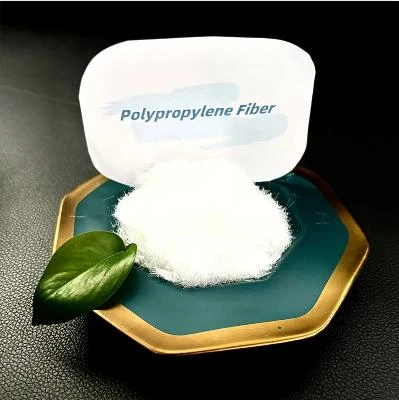



Raw Materials for Synthetic Fibers An Overview Synthetic fibers have become an integral part of our daily lives, shaping industries ranging from fashion to automotive. These fibers are made from raw materials that have transformed textiles, offering durability, versatility, and a range of functionalities. To understand the production of synthetic fibers, it is essential to explore the various raw materials involved, the processes of transforming these materials, and their impact on the textile industry and the environment. Types of Raw Materials The production of synthetic fibers primarily relies on petrochemical products derived from crude oil. The two most common types of synthetic fibers are polyesters and polyamides, which are produced from specific raw materials. 1. Polyester The most widely used synthetic fiber, polyester, is typically made from polyethylene terephthalate (PET). PET is synthesized from two key raw materials terephthalic acid and ethylene glycol. Both of these compounds originate from crude oil, undergoing processes such as polymerization to create polyesters. Known for its strength and resistance to stretching and shrinking, polyester has become a popular choice in clothing, home furnishings, and industrial applications. 2. Polyamide (Nylon) Another significant synthetic fiber is polyamide, commonly known as nylon. The production of nylon involves raw materials like hexamethylenediamine and adipic acid, which can also be sourced from petroleum or derived from renewable resources. Nylon fibers are prized for their exceptional elasticity, strength, and abrasion resistance, making them ideal for products such as hosiery, activewear, and ropes. 3. Acrylic Acrylic fibers, often used as a wool substitute, are manufactured from polyacrylonitrile (PAN). The raw materials for PAN typically include acrylonitrile, which is derived from propylene—another byproduct of oil refining. Acrylic fibers are lightweight, soft, and exhibit good color retention, providing a popular choice in blankets, sweaters, and textiles. The Production Process Once the raw materials are sourced, the production of synthetic fibers generally involves several key steps polymerization, spinning, and finishing. raw material for synthetic fibers - Polymerization This process involves chemically reacting the raw materials to form long chains of molecules, known as polymers. Depending on the desired characteristics of the final product, variations in the chemical process can be implemented to achieve specific attributes, such as thickness and flexibility. - Spinning After polymerization, the resulting polymers are melted down and extruded through spinnerets, which are devices that create filaments. As the molten polymer passes through tiny holes, it cools and solidifies to form fibers. This spinning process can be done using different techniques, such as dry, wet, or melt spinning, each resulting in different types of fiber characteristics. - Finishing The final step in fiber production involves finishing processes that enhance the fiber's performance characteristics. This might include dyeing, texturing, or applying treatments that improve properties like water resistance or flame retardance. Environmental Considerations While synthetic fibers have revolutionized the textile industry, their production poses significant environmental challenges. The extraction and processing of petrochemical raw materials contribute to carbon emissions, pollution, and reliance on fossil fuels. Furthermore, synthetic fibers are not biodegradable, resulting in long-lasting waste in landfills and oceans. To address these concerns, there is a growing movement towards sustainable practices in synthetic fiber production. Innovations in recycling technologies are enabling the repurposing of old synthetic garments into new fibers. Brands are also exploring bio-based alternatives, using renewable resources such as corn starch or sugarcane to produce synthetic fibers, thus reducing their environmental footprint. Conclusion The journey of synthetic fibers from raw materials to finished products is a complex interplay of chemistry, engineering, and environmental considerations. As demand for these materials continues to grow, it is vital to find a balance between industrial benefits and ecological sustainability. By prioritizing innovation and responsible sourcing, the future of synthetic fibers may pave the way for a more sustainable textile industry, combining functionality with environmental stewardship.
- 40000tons

Production
- 20+years

Experience
- 5000+㎡

Acreage

-
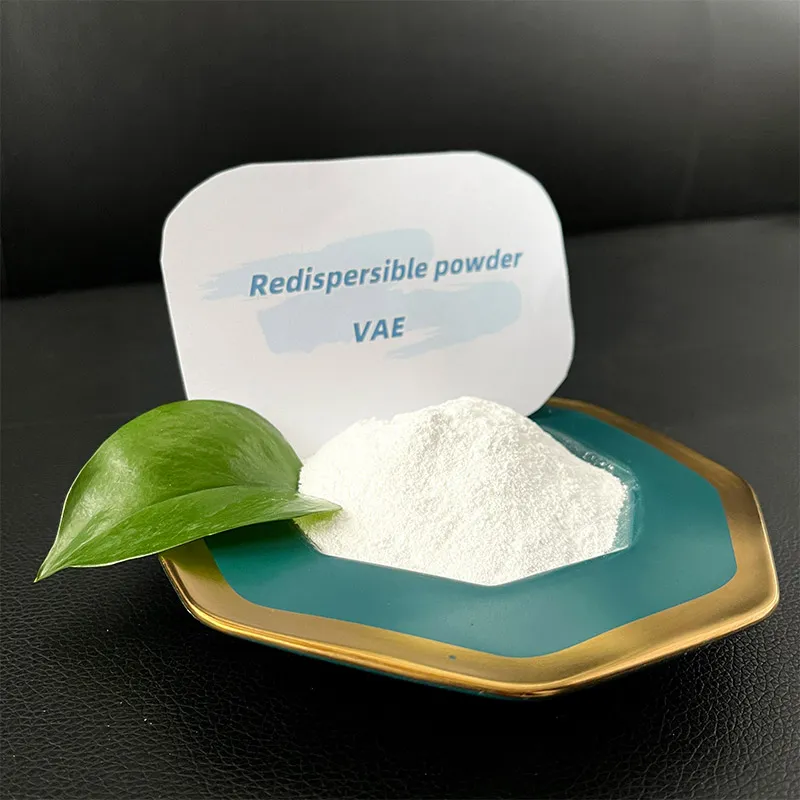
Hydroxypropyl Methylcellulose (HPMC) is a versatile compound with extensive applications across various industries . Renowned for its binding, thickening, and emulsifying properties, HPMC’s contributions to product enhancement and consistency are substantial. This article explores the diverse applications of HPMC, drawing insights from industry experts and user experiences to highlight its role in modern manufacturing and product development. In the construction industry, HPMC is a vital component in the formulation of high-performance building materials. Experts assert that its water retention ability significantly extends working time and improves the adhesion of cement-based products, leading to superior structural finishes. This is particularly valuable in plastering and tile adhesive applications, where product reliability and consistency are paramount. Construction professionals with years of field experience attest to the enhanced workability and strength of structures when HPMC is integrated. The pharmaceutical sector also capitalizes on the benefits of HPMC, where it serves as a key excipient in oral drug formulations. Industry specialists emphasize its non-toxic, biocompatible nature, making it an ideal candidate for controlled-release drug delivery systems. By managing the rate at which active ingredients are released, HPMC ensures therapeutic efficacy and optimizes patient outcomes. Pharmacists and formulators regard HPMC as a cornerstone in creating effective, predictable, and patient-friendly pharmaceutical products. In the personal care and cosmetics industry, HPMC is prized for its role in stabilizing formulations, providing a silky texture, and enhancing the spreadability of creams and lotions. Skincare formulators acknowledge HPMC's capacity to improve product stability while maintaining skin-friendly attributes. The expertise of cosmetic chemists underscores HPMC’s effectiveness in forming protective films over the skin, retaining moisture and delivering active ingredients effectively. Consumers appreciate the tangible improvements in product feel and performance, leading to increased trust in HPMC-enhanced brands. hpmc applications Furthermore, in the food industry, HPMC is utilized as a dietary fiber source and as a texture enhancer in low-fat and gluten-free products. Nutritionists and food scientists appreciate its ability to mimic the texture and mouthfeel of fats and gluten, providing healthier alternatives without compromising on consumer experience. The authoritative voices in food science endorse HPMC as a pivotal ingredient in meeting the growing demand for health-conscious food options. Window into academic perspectives, numerous studies validate HPMC's versatile applications and its positive impact on product quality and consumer satisfaction. It is this confluence of practical experience, professional expertise, and scholarly research that underscores HPMC’s position as a credible, trustworthy ingredient across diverse sectors. To summarize, the applications of HPMC are as broad as they are crucial, affecting a wide array of products ranging from construction materials to pharmaceuticals, cosmetics, and food. Its reliability, proven by extensive use and expert validation, renders HPMC an exemplary model of effective, multifunctional ingredient use in manufacturing. The cumulative experience of industry experts affirms HPMC's integral role in supreme product performance, marking it as an authoritative choice for manufacturers committed to quality and consumer trust.
-
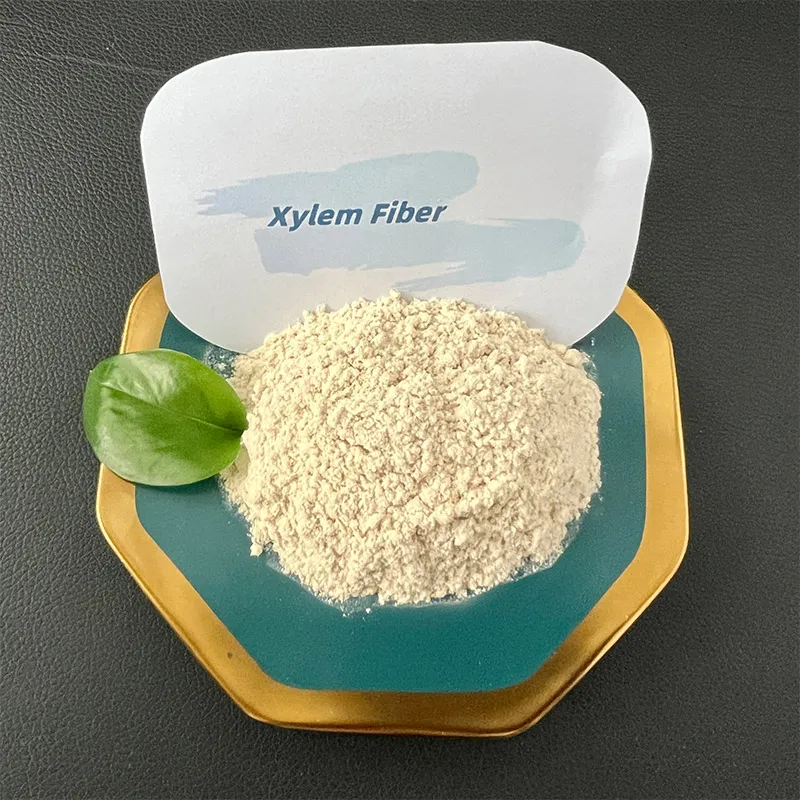
Hydroxypropyl Methyl Cellulose (HPMC) has emerged as a versatile material in various industries, offering unique properties that benefit a wide range of applications. In underwater concrete, it plays a critical role in improving the performance of the mixture. This article delves into the use of HPMC cellulose in underwater concrete, focusing on how it enhances durability, workability, and overall performance in challenging environments. HPMC Cellulose and Its Role in Underwater Concrete Mixes When discussing underwater concrete, it’s essential to highlight the importance of achieving the right consistency and strength under harsh conditions. HPMC cellulose significantly contributes to these properties by acting as a stabilizing agent. This particular form of cellulose is known for its water retention capabilities, which help keep the mixture workable for longer periods, especially in environments like underwater construction where the concrete is subjected to challenging pressures and varying temperatures. In underwater concrete, where the mixture is prone to washing out or segregation, HPMC ensures that the aggregates stay properly dispersed, leading to a more uniform and durable mix. By controlling the rate of hydration, HPMC cellulose prevents the early loss of moisture that could weaken the structure, making it an invaluable component in creating strong, resilient underwater concrete. The Role of HPMC Dextran in Enhancing Concrete Durability Another critical agent in underwater concrete is HPMC dextran . Combining HPMC with dextran, a complex sugar molecule, creates a modified form that enhances the concrete's ability to resist environmental stressors. Underwater construction sites often experience exposure to saltwater, which can significantly weaken concrete over time due to corrosion. With HPMC dextran , the concrete gains additional resistance to corrosion and chemical attack, extending the longevity of the structure. The presence of dextran in the mixture further improves the flowability of the concrete, making it easier to work with even under the most challenging conditions. This enhanced fluidity allows for better filling of complex molds and cracks in underwater environments, ensuring that the concrete cures effectively and remains durable. Using HPMC Dextran 70 for Specialized Underwater Concrete Applications For more demanding underwater projects, HPMC dextran 70 is the go-to choice. This specific grade of HPMC-dextran offers a higher molecular weight, providing superior thickening properties that contribute to even more stable concrete mixes. Whether constructing piers, bridges, or other submerged structures, HPMC dextran 70 provides the ideal viscosity for ensuring the mixture stays in place during application and hardens uniformly once in position. This enhanced viscosity also improves the handling of underwater concrete, reducing the risk of segregation and ensuring the mix remains intact as it sets. The higher molecular weight of HPMC dextran 70 contributes to increased water retention and slower curing rates, which are crucial in underwater applications where the setting time must be carefully controlled to avoid premature hardening or washout. HPMC Hydroxypropyl Methyl Cellulose: A Key Component for Enhanced Workability in Underwater Concrete The benefits of HPMC hydroxypropyl methyl cellulose go beyond simple moisture retention. This modified cellulose compound is known for its ability to improve workability, an essential factor when dealing with underwater concrete mixes. The concrete’s consistency directly impacts its ease of placement, particularly when pouring in deep or tight spaces underwater. By incorporating HPMC hydroxypropyl methyl cellulose , the mix maintains its workability, ensuring that the concrete can be easily manipulated and poured into molds or forms underwater. The material also contributes to an extended open time, which is especially beneficial for workers who need more time to finish and adjust the concrete before it sets. This additional flexibility is vital in large underwater projects where precision and timing are crucial. In conclusion, HPMC plays an indispensable role in the development of underwater concrete by improving its performance and longevity. Whether it's HPMC cellulose , HPMC dextran , HPMC dextran 70 , or HPMC hydroxypropyl methyl cellulose , these compounds are integral to creating concrete that can withstand the pressures and challenges of underwater environments. If you’re looking to achieve the highest standards in underwater concrete, consider integrating HPMC into your mix. Visit our website to explore more about our high-quality HPMC products and how they can revolutionize your construction projects.
advantages
-

200000 Viscosities
Excellent product
We can produce pure products up to 200,000 viscosities
-

40000 tons
High yield
We don’t stop production all year round, and the annual output can reach 40,000 tons
-

24 hours
Quality service
We provide 24-hours online reception service, welcome to consult at any time
———— Inquiry Form
Schedule A services
-
 factory_price_
Oct . 25, 2025
Hydroxypropyl Methylcellulose (HPMC) is a critical additive in the putty powder industry, playing a -
 fiberglass_mesh_for_concrete_countertops
Oct . 25, 2025
Concrete polypropylene fibers have revolutionized the construction landscape, offering an innovative -
 china_hpmc-hydroxypropyl_methyl_cellulose_mtengenezaji
Oct . 25, 2025
In the urgent pursuit of greener building practices, redispersible polymer powder (RPP) emerges as a


